From the hallway, a furnace that will not heat looks the same no matter what broke. Inside the cabinet, though, the sequence is strict: inducer on, pressure switch closed, igniter glowing, gas valve open, burners lit, flame proven, and finally the blower sending heat through the house. Diagnosis is mostly a matter of finding where that chain breaks. In Indio homes, it tends to be the same handful of culprits: a flame sensor coated in oxide, a hot surface igniter cracked by thermal cycling, a pressure switch held open by a tired inducer or a plugged condensate trap, or a control board with a burned relay.
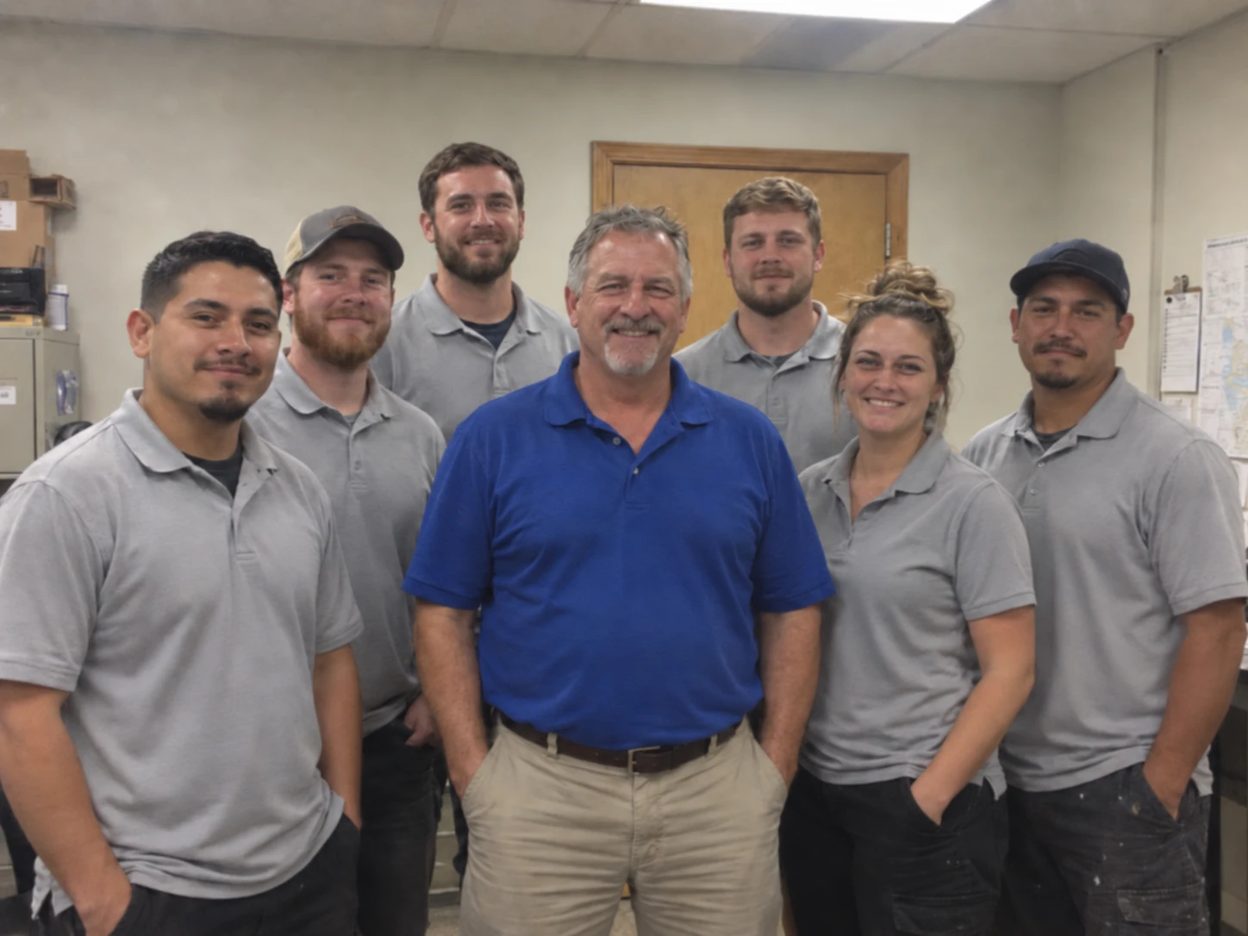
Indio HVAC repairs furnaces by testing the sequence, not guessing at it. Our experienced technicians watch the startup step by step and measure at each stage: igniter resistance, flame signal in microamps, pressure switch operation against actual inducer draft, gas valve voltage, and blower and capacitor health. Every visit includes the safety fundamentals on a fuel-burning appliance: the heat exchanger inspected, connections leak-tested, and draft confirmed, because the difference between a furnace problem and a furnace hazard is not visible from the thermostat. We measure temperature rise against the data plate before we leave so the fire and the airflow are matched the way the manufacturer intended.
Indio HVAC services natural gas, propane, and electric furnaces from all major brands, from standard 80 percent units to condensing high-efficiency models with their traps, drain lines, and dual pressure switches. Our trucks carry the parts that really fail, such as igniters, flame sensors, pressure switches, capacitors, inducer assemblies, and blower motors, so a typical no-heat call ends with the house warming up. Call (760) 205-5185 for furnace repair anywhere in Indio, and we can have someone out today.
For air conditioning breakdowns, see AC Repair in Indio.
How Much Does Furnace Repair Cost in Indio?
For most Indio homes, a furnace repair runs $150 to $600. Cleaning a flame sensor is a small job; replacing a blower motor or control board is a bigger one. Every furnace repair starts with a real diagnosis and a clear price.
| Repair | Typical cost | What it usually means |
|---|---|---|
| Flame sensor cleaning or replacementBurners light but cut out almost immediately | $80–$250 | Furnace lights, then shuts off within seconds |
| Hot surface igniter replacementNo ignition; one of the most common winter failures | $150–$400 | Furnace clicks and tries to start but never lights |
| Draft inducer motorLoud humming or grinding at startup, then lockout | $400–$1,000 | Loud humming or grinding at startup, then lockout |
| Blower motorNo airflow, or the blower runs nonstop | $400–$1,500 | Burners run but little or no air comes out of the vents |
| Control boardErratic behavior, error codes, or no response at all | $300–$700 | Furnace won't respond to the thermostat |
| Gas valve replacementIgniter glows but gas never flows to the burners | $250–$700 | Valve fails to open, so the furnace never lights |
These are common price ranges, not quotes. We confirm the exact price after diagnosing your system.
What Moves the Cost Up or Down
- Furnace age and type, because 90%+ efficiency models have more specialized parts
- A cracked heat exchanger, which is a safety issue and usually points to replacement
- Timing, such as a no-heat call on a cold night versus a scheduled repair
- Access to the furnace in attics, closets, or crawlspaces
When a repair gets expensive on an aging furnace, you'll see both options before deciding. No heat right now? Call (760) 205-5185.
Warning Signs for Furnace Repair
Recognizing the warning signs early can save you time, money, and prevent significant damage to your property. These are the signals our technicians see most often when a problem is underway:
- Squeals, scrapes, or grinding noises behind the blower door
- A pilot or burner flame that is lazy yellow instead of crisp blue
- Air moving through the vents that never gets warm
- Short cycling every few minutes without reaching the setpoint
- Soot, rust, or moisture near the furnace cabinet or vent pipe
- Flames that start, last a few seconds, and go out again and again
- The igniter glows and clicks, yet no flame ever appears
- Loud booms at startup caused by delayed ignition
Act Before It Gets Worse
Left unchecked, even a small fault or temperature swing often signals a system working its way toward a breakdown. Don't wait, get Indio HVAC on the phone at (760) 205-5185 and we'll take a look right away.
Furnace Repair Issues? We Can Help.
Call our expert team for pricing today.
Call (760) 205-5185 TodayYour Furnace Repair Questions Answered
The Benefits of Professional Furnace Repair
The most serious furnace problem is usually hidden. A cracked or corroded heat exchanger can let combustion gases into the airstream, and nothing about it is visible from the outside of the cabinet. Delayed ignition makes things worse, because each boom at light-off puts more stress on that metal. Add high voltage, a gas valve, and a flue to the same box, and the margin for error shrinks. Diagnosis is full of traps too. A high limit that keeps tripping could be a bad switch, or it could be doing exactly its job because a filter is clogged or the blower is dying, and swapping out a working switch only hides the real fault.
Our experienced technicians treat every symptom as a question about the whole system. Flame signal gets measured rather than assumed, so a healthy sensor is never replaced while a cracked igniter or weak gas valve skates by. Draft is verified at the pressure switch and the flue. Temperature rise is checked against the data plate, which is how airflow problems get caught before they shorten the exchanger's life. And the gas side is leak-tested with instruments, not a sniff and a shrug. The result is a furnace that has been proven safe and correct under a full cycle, and an honest report if the unit is nearing the point where replacement beats another repair.
How Our Furnace Repair Works
Our systematic workflow delivers thorough, lasting results on every job. Here's how we handle furnace repair from start to finish:
Step-by-Step Diagnosis
Instead of guessing, we follow the startup sequence one stage at a time, with readings on the inducer, pressure switch, igniter, flame sensor, and gas valve, until the broken link shows itself.
Safety Inspection
On every visit, we inspect the heat exchanger, leak-test the gas connections, and confirm the flue is drafting. No furnace repair is complete until the unit is proven safe.
Expert Repair
We fix the part that actually failed, and since igniters, flame sensors, pressure switches, capacitors, and motors are on the truck, most furnaces are heating again the same visit.
Final Cycle Testing
We run complete cycles, measure temperature rise against the data plate, confirm clean ignition without booming, and verify every limit and safety control before we leave.
Furnace Repair Prevention Tips
A few simple habits now, like regular filter changes and seasonal tune-ups, can add years to your system's life. Put these technician-approved steps to work around your property:
- Store laundry supplies, especially chlorine products, well away from the furnace closet
- Give the furnace room to breathe, since a crowded utility space starves the burners of air
- If you have a high-efficiency furnace, check that the condensate drain is flowing freely
- Put in a fresh filter monthly through the heating season, the cheapest protection your furnace can get
- Test your CO detectors monthly and make sure each floor has one
- Notice how the furnace sounds at startup, because a quiet light-off is healthy and a boom is not
- Have the furnace checked every autumn, while a weak igniter or fouled sensor is still an easy fix
DIY vs. Professional Furnace Repair
Some simple checks are suitable for DIY, but most heating and cooling repairs benefit from professional tools, training, and experience. Here's a comparison:
| Factor | DIY Attempt | Professional Service |
|---|---|---|
| Heat Exchanger | Cracks invisible from the outside | Checked every time we open the unit |
| Ignition Faults | New igniter installed on a hunch | Each ignition component tested |
| Gas Safety | Connections judged by smell | Every fitting checked with a detector |
| Limit Trips | Safety switch bypassed or swapped | The airflow fault behind the trip found |
| Airflow Match | Fan speed never checked | Temperature rise set to the data plate |
| Final Check | It lit once, call it fixed | Full cycles proven clean and safe |
Talk to a Furnace Repair Expert
Every day you wait puts more strain on a struggling unit. Get Indio HVAC on the job today.
Call (760) 205-5185 TodayFurnace Repair Across the Indio Area
Our technicians handle furnace repair throughout Indio and the surrounding communities, with the same upfront pricing everywhere we work.